Discover the World of Fair Trade Tea: Quality Brews That Promote Sustainable Practices
Fair Trade tea forms a seamless integration of superior standards and principles. Each cup provides a unique flavor experience while furthering environmentally responsible agricultural methods. This tactic not only enriches the tea experience but also empowers underprivileged farming communities. Exploring its beginnings and authentication procedures exposes deeper dimensions of value. As patrons become more mindful of their choices, the effect of Fair Trade tea transcends palate. What resides beneath the veneer of these preferences?
Reveal the Origins of Fair Trade Tea
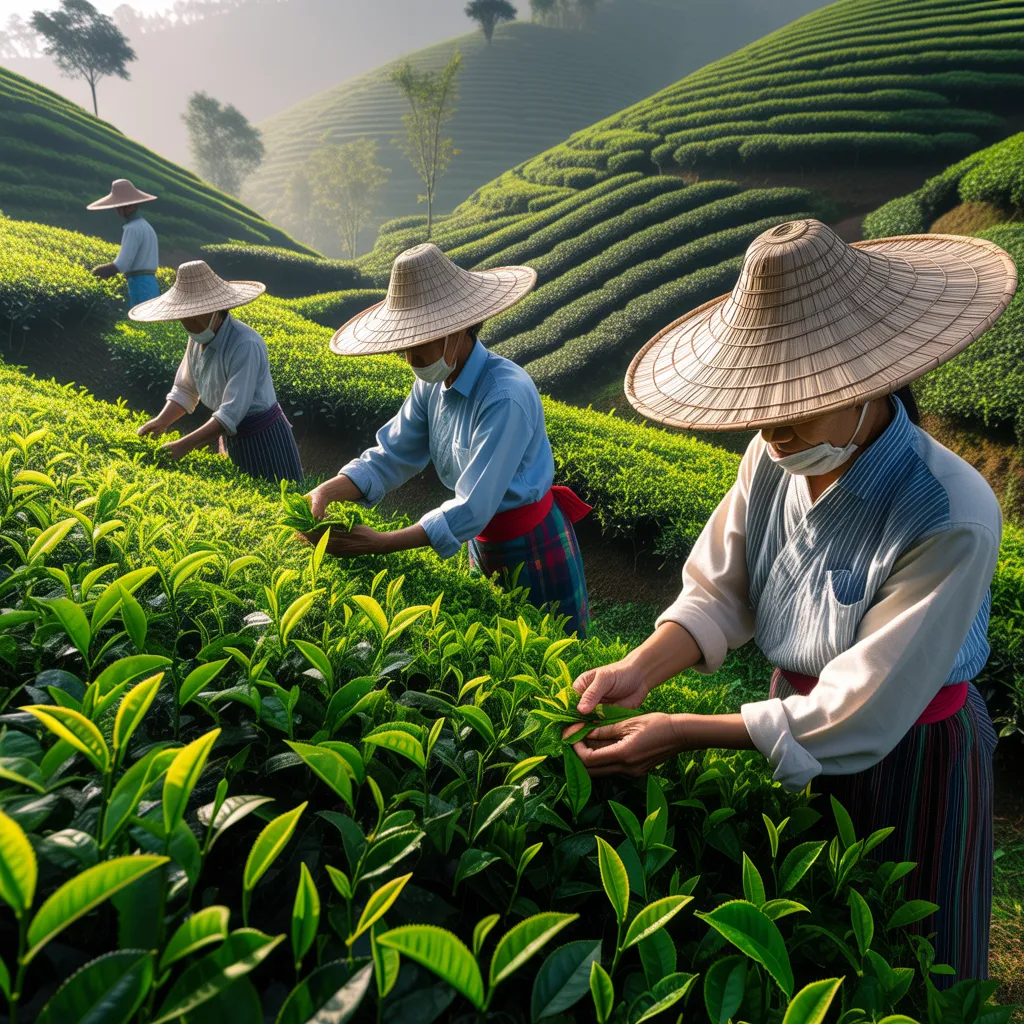
Fair Trade tea derives from the socioeconomic drives geared toward advancing the fortunes of sidelined farmers. Taking shape in the late 20th century, this project worked to remedy unfairness in global trade, in particular in transitional economies where tea is regularly grown. The movement gained traction as consumers became more and more cognizant of the harsh conditions faced by grassroots growers, encompassing unfair pricing and abuse by large corporations.
Through cooperative structures, Fair Trade intended to strengthen these farmers, ensuring they obtained fair compensation and backing for sustainable farming practices. The movement also focused on promoting environmental responsibility, promoting organic farming and biodiversity. As awareness grew, Fair Trade tea became a symbol of ethical consumption, linking consumers directly with the origins of their beverages. By choosing Fair Trade tea, individuals contribute to a larger vision of social justice and economic equity, building a more sustainable future for tea-growing communities.
Learn about ethical trade standards for sustainable practices
Recognizing Fair Trade certification is imperative to understanding how sustainable practices are upheld within the tea industry. This certification validates that producers receive fair wages and work under safe conditions, which directly nurtures community development. Fair Trade standards champion environmentally sustainable farming methods, reducing the use of harmful chemicals and encouraging biodiversity.
Certification fosters transparency in the supply chain, permitting customers to trace their tea back to its origin. By adhering to these standards, farms engage in practices that protect natural resources and sustain discover here local ecosystems. Additionally, Fair Trade groups often provide educational resources and instruction to farmers, empowering them to improve their production methods and financial security.
In the final analysis, Fair Trade certification elevates the standard of tea while synchronizing consumer preferences with principled and sustainable beliefs, establishing it as an essential aspect of the tea industry's devotion to societal responsibility and environmental guardianship.
Browse Leading Range of Fair Trade Tea
While many tea enthusiasts cherish the robust taste and aroma of various brews, exploring the top varieties of Fair Trade tea uncovers a more earnest devotion to ethical sourcing and sustainability. Some sought-after options present Fair Trade Assam, characterized by its bold, malty taste, and Fair Trade Darjeeling, often called as the "Champagne of teas" for its subtle floral essence. Another distinguished variety is Fair Trade Earl Grey, seasoned with bergamot, offering a distinctive citrus character.
Furthermore, Fair Trade Green Tea, celebrated for its energizing qualities and health benefits, is increasingly favored among health-conscious consumers. Herbal blends, such as Fair Trade Chamomile and Peppermint, also excel, offering soothing and calming effects. Each of these varieties not only delivers exceptional flavor but also supports farmers and communities working for better livelihoods, making them a responsible choice for tea lovers seeking quality and ethical assurance.
Brewing Fair Trade Tea: Tips for a Ideal Cup
To prepare the ultimate cup of Fair Trade tea, precision is important, as the proper procedures can bring out the tea's special tastes and aromas. The first step is that water quality is fundamental; using clean water ensures a fresh flavor that allows the tea's features to stand out. Also, the water temperature is vital; specific temperatures are required for different tea varieties; black tea needs boiling water and cooler temperatures work best for green or herbal teas.
Then, the infusion time should be strictly observed. Oversteeping can cause bitterness, while brief steeping may not release the entire flavor range. A typical suggestion is 3-5 minutes for black tea and 2-3 minutes for green tea.
Ultimately, using the right tea-to-water ratio elevates the flavor; one teaspoon of loose tea per cup is a excellent beginning. By implementing these recommendations, tea aficionados can fully appreciate the rich offerings of Fair Trade tea.
Environmental Advantages of Fair Trade Tea
Brewing Fair Trade tea not only enhances the tea experience but also promotes sustainable agricultural practices that benefit the environment. Fair Trade certification motivates farmers to use natural cultivation techniques, which decrease the dependence on harmful pesticides and fertilizers. This method fosters biodiversity, helping to preserve local ecosystems and protect wildlife habitats.
Moreover, Fair Trade practices often underscore soil health and water conservation, ensuring that tea cultivation does not exhaust essential resources. By helping small-scale farmers, Fair Trade also promotes agroforestry, which blends tea cultivation with other crops and trees, further enhancing environmental resilience.
Additionally, Fair Trade tea often contains eco-conscious wrapping and transportation methods, decreasing the carbon footprint connected to its delivery. In summary, choosing Fair Trade tea shows a conscious effort to advance a increasingly eco-friendly farming approach that respects both the Earth and its people.

The Impact of Your Tea Choice in Strengthening Global Communities
Investing in Fair Trade tea strengthens worldwide populations by delivering agricultural workers with equitable compensation and superior working conditions. This commitment assures that tea cultivators can maintain their economic stability while supporting their families and local economies. By purchasing Fair Trade tea, end consumers advance the development of key community services, including education and healthcare.
Fair Trade accreditation encourages ethical practices, requiring companies to adhere to guidelines that emphasize workers' rights and environmental sustainability. As a result, farmers are incentivized to cultivate high-quality tea, which not only improves their income but also fosters satisfaction in their work.
Furthermore, the immediate trading connections created through Fair Trade remove exploitative middlemen, allowing farmers to connect with consumers worldwide. This transparency builds trust and promotes a global recognition for the cultural significance of tea. Ultimately, each cup of Fair Trade tea serves as a reminder of the beneficial effect individuals can have on worldwide populations through conscious purchasing.
Often Asked Questions
Where Can I Discover Fair Trade Tea Products and How Do I Confirm Them in Stores?
To find consciously sourced tea selections in stores, one should hunt for accredited stamps, such as Fair Trade Certified or Rainforest Alliance. Additionally, looking into companies devoted to ethical sourcing can contribute to making informed choices.
What Health Benefits Are Linked to Fair Trade Tea?
Fair trade tea can provide numerous health advantages, including antioxidants that enhance cardiovascular health, enhanced digestive wellness, and greater mental clarity. In addition, responsible sourcing practices bolster sustainable agricultural practices, helping create a greener world and enhanced community well-being.
Can I Find Ethically Sourced Tea in Digital Shopping Platforms?
Yes, justly traded tea is abundantly accessible in web-based stores. Several businesses offer a comprehensive selection of varieties and types, verifying purchasers can easily access morally sound products that copyright both ecological balance and fair labor practices.
What Role Does Fair Trade Tea Play in Local Economic Growth?
Fair trade tea positively impacts local economies by ensuring farmers receive equitable pay, fostering community development, and supporting sustainable agricultural methods. This backing uplifts living conditions, promotes economic stability, and strengthens communities to invest in education and healthcare.
How Do I Maintain Fair Trade Tea for Superior Freshness?
To maximize quality, fair trade tea should be kept in an sealed jar, away from strong odors, moisture, and light. Maintaining it in a dark, cool location helps protect its aroma and flavor over time.